Proven Expertise in Action
Explore how our solutions deliver measurable impact across the energy sector.
Optimal reliablity of power distribution systems
Developed and implemented a comprehensive software framework for a major distribution utility to optimize its reliability enhancement strategy across a complex network of over 1400 feeders. The project’s core objective was to move beyond traditional, inefficient “one-size-fits-all” target setting. To achieve this, a novel DEA-Based Method (DBM) that integrates technical and economic factors to determine efficient, data-driven reliability targets on a granular, feeder-by-feeder basis
The scope of the project and the software’s capabilities included:
- Investment Impact Estimation
- Feeder Benchmarking & Clustering
- Efficiency Frontier Analysis
- Technical & Economic Modeling
- Reliability-Cost Curve Development
- Granular Target Setting

Off-Grid Hybrid RES Planning & Implementation
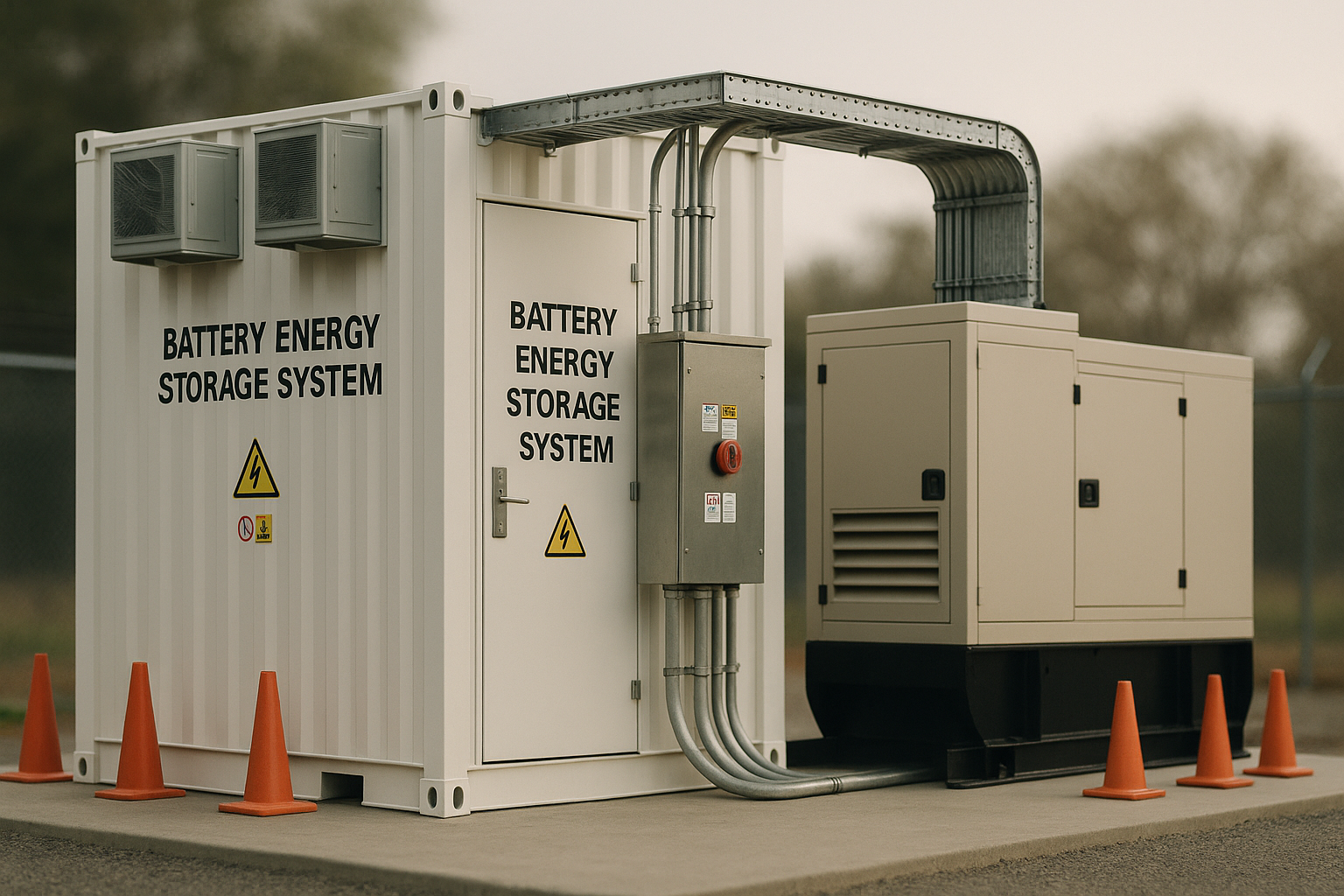
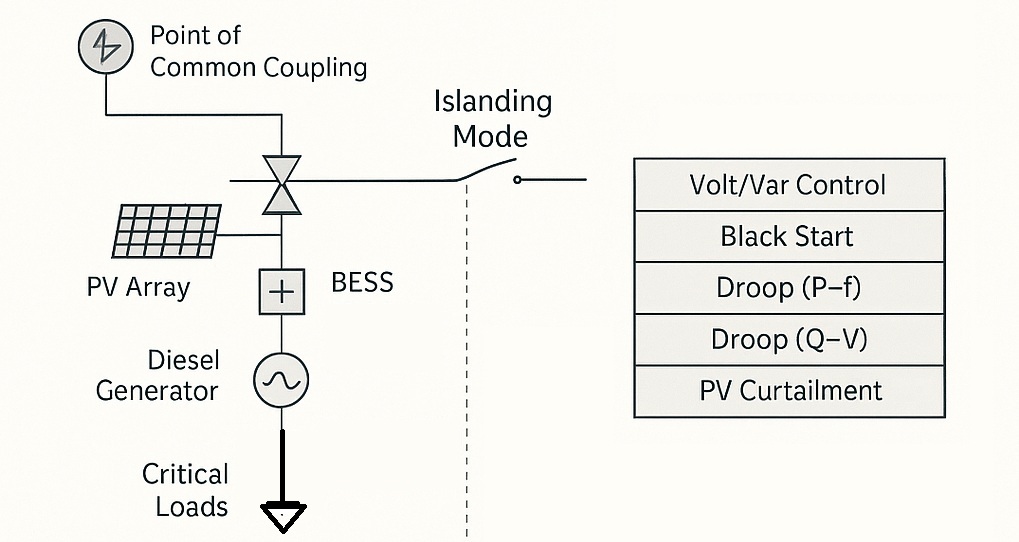
The project involved developing a stand-alone hybrid microgrid for about 20 households in a remote oasis community, located so far from the main electricity network that connecting to the grid would have required crossing several difficult mountain ranges, making it technically and economically impractical. Instead, we designed a local microgrid combining wind turbines, solar PV panels, a battery energy storage system, and a backup diesel generator to ensure a reliable 24/7 power supply under all operating conditions. The project was handled completely from scratch: starting with a detailed feasibility study to assess local wind and solar resources, load demand, and economic viability; followed by system sizing, technical design, and control strategy development; and finally, full execution including procurement, installation, integration of the diesel generator as backup, and executing the project.

Transmission reliability in PowerFactory
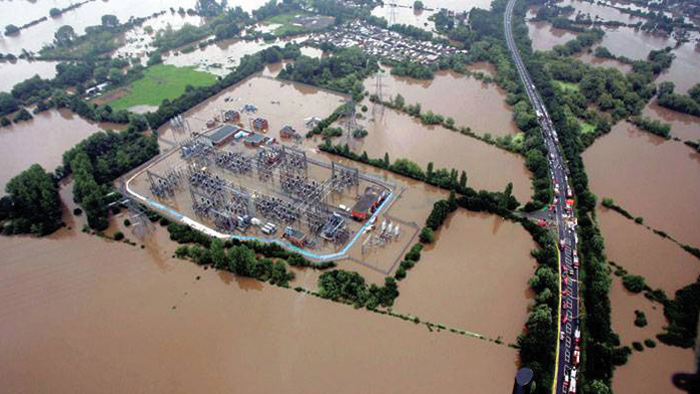
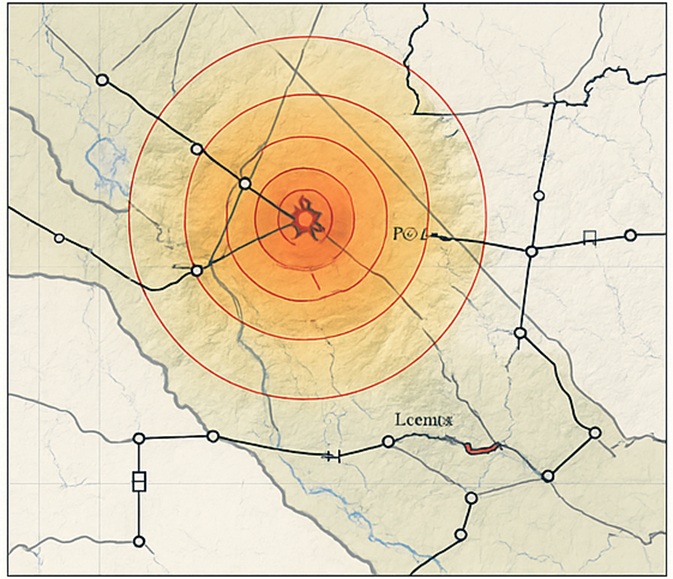
Analyzing and strengthen power systems against High‑Impact, Low‑Frequency (HILF) hazards—such as earthquakes, landslides, and floods—using DIgSILENT PowerFactory. The scope of the project included:
- Investment planning
- Hazard → Asset mapping: translate geophysical hazard layers into grid component exposure and fragility.
- Operational impact analysis: N–1 / N–k contingencies, topology changes, protection operations, and cascading failures.
- Reliability & resilience metrics: SAIDI, SAIFI, CAIDI, ENS/EENS, LOLP/LOLE, recovery time distributions, service restoration trajectories.
- Criticality & cost modelling: identify risk‑driving components, quantify cost of interruption and expected annual risk; prioritize hardening and reinforcement.
- Mitigation design: targeted reinforcements, sectionalizing, DER & BESS flexibility and mobile resources deployment.